
Dry Eye Management
Comfortable, personalised care for dry eyes
Dry eyes can be more than an occasional irritation. Symptoms such as burning, grittiness, watering and blurred vision can affect your comfort, concentration and enjoyment of everyday activities.
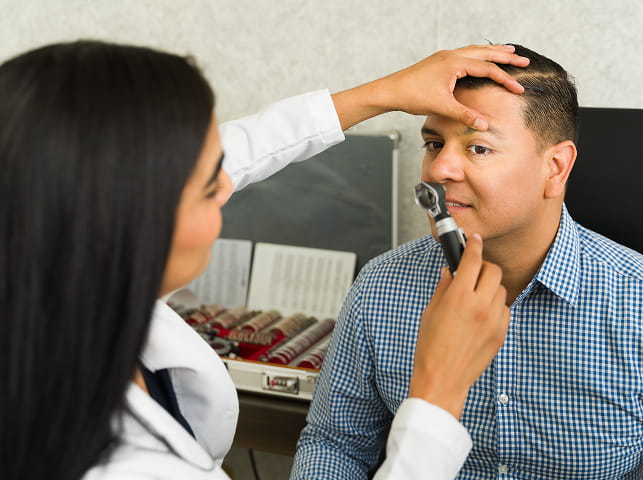
At Whitehouse & Son Optical, we take a personalised approach to dry eye management. We assess your symptoms, tear film, eyelid and meibomian gland function and the health of the eye’s surface before recommending an appropriate management plan.
Rather than taking a one-size-fits-all approach, we consider what may be contributing to your symptoms and tailor our recommendations to your individual needs, lifestyle and eye health.
If dry, uncomfortable eyes are affecting your everyday life, contact Whitehouse & Son Optical to arrange a dry eye assessment.
Have an Enquiry?
Please complete the form below and a member of our team will be in touch.
What does dry eye feel like?
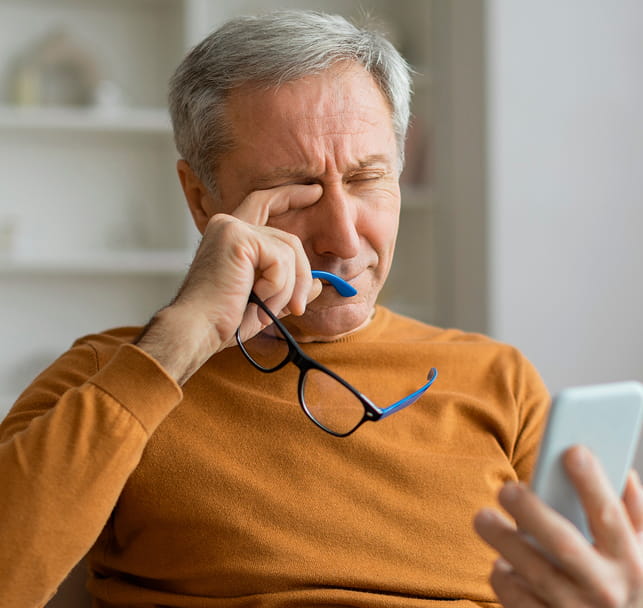
Dry eye does not always feel like your eyes are simply “dry”. Symptoms can vary considerably from person to person.
Common symptoms include:
- Burning or stinging
- A gritty or sandy sensation
- Watery eyes
- Blurred or fluctuating vision
- Light sensitivity
- Tired or heavy eyes
- General eye discomfort
- Contact lenses becoming uncomfortable
- Symptoms that worsen when using screens or in dry environments
It is possible to experience watery eyes and still have dry eye. When the surface of the eye becomes irritated, it can trigger excessive watering, but those tears may not provide the stable tear film your eyes need.
If symptoms are persistent or affecting your daily life, a proper assessment can help identify what may be causing them.
What causes dry eye?
Dry eye can have several causes, and more than one factor may be involved.
Your symptoms can be affected by your tear film, the meibomian glands in your eyelids, your environment, screen use, contact lenses and general eye health.
Some people experience symptoms because their eyes do not produce enough tears. In others, tears evaporate too quickly because the tear film is unstable or the meibomian glands are not functioning effectively.
This is why understanding the type and cause of your dry eye is an important part of creating an effective management plan.
Our dry eye assessment
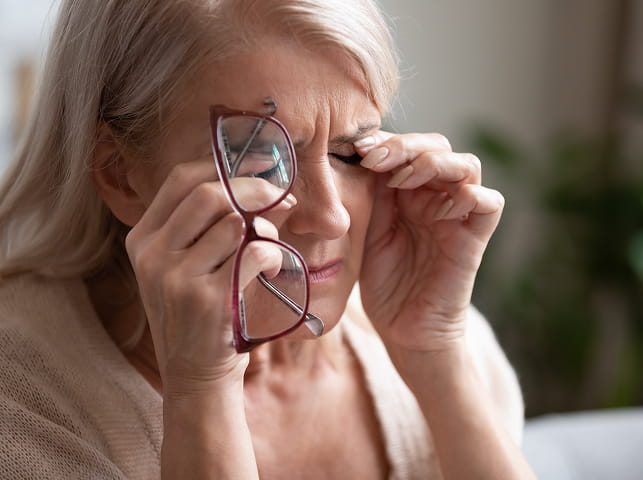
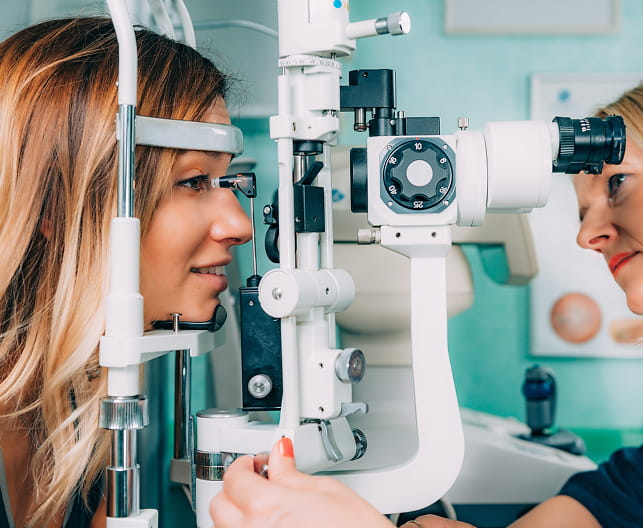
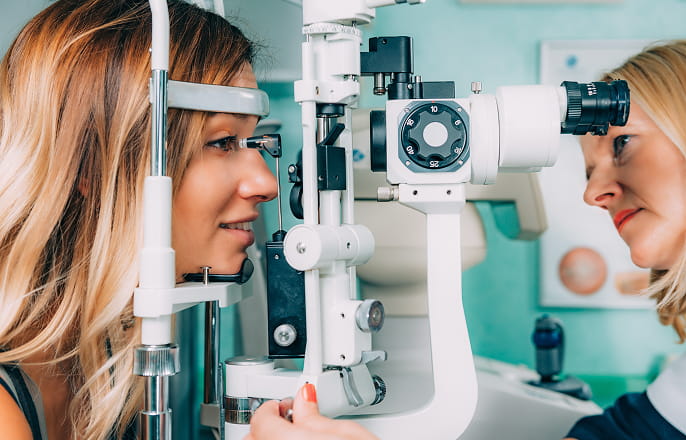
We begin with a detailed assessment of your symptoms and eye health.
We consider:
- The nature and severity of your symptoms
- Your tear film quality
- Meibomian gland function
- The health of the ocular surface
- Your lifestyle and working environment
- Screen use and visual habits
- Contact lens wear, where relevant
- Any factors that may be contributing to your symptoms
Where appropriate, we may also use advanced diagnostic technology such as OCT imaging to provide additional information or help rule out other underlying concerns.
The aim is to understand what is happening rather than simply treating the symptoms without identifying the likely cause.
A treatment plan tailored to you
There is no single treatment that works for every person with dry eye.
Once we understand your symptoms and the condition of your eyes, we can recommend a personalised plan based on your specific type of dry eye.
Your management plan may include a combination of professional advice, products and simple changes that you can make at home.


At-home dry eye care
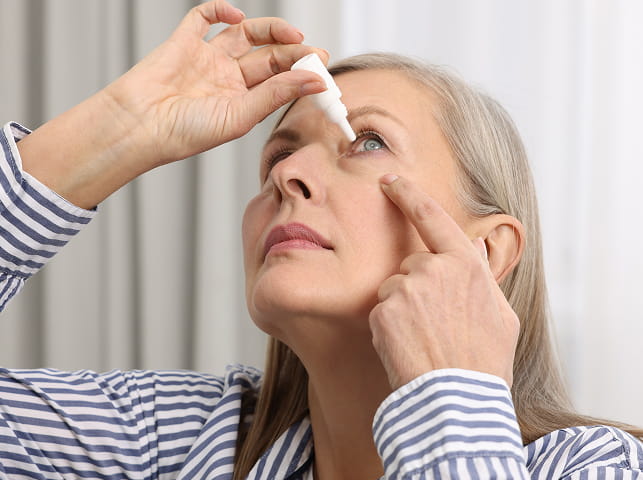
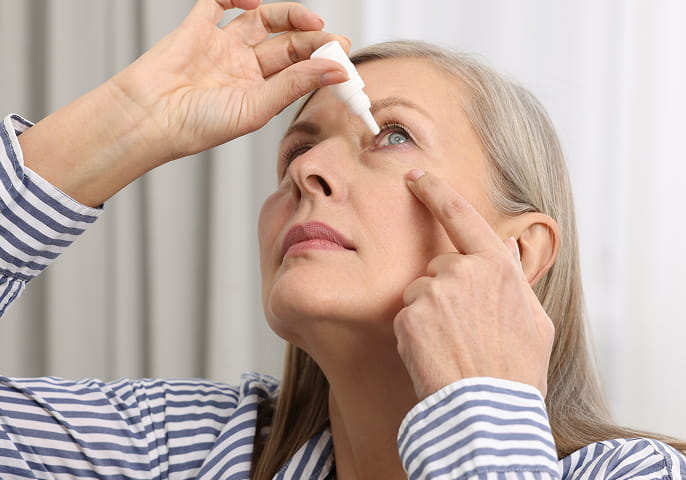
Lubricating eye drops
We can recommend lubricating eye drops based on your individual symptoms and tear film. Where appropriate, we may suggest preservative-free eye drops, particularly for people who need to use drops regularly.
The right type of drop matters, so we recommend choosing products based on professional advice rather than simply using the first eye drop available.
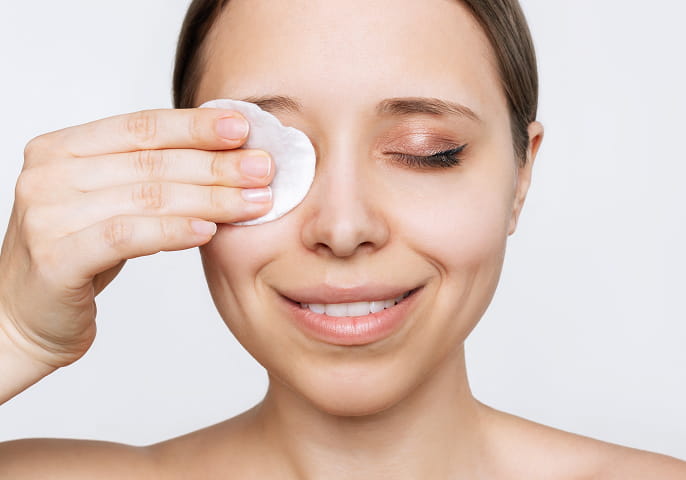
Heat masks and eyelid hygiene
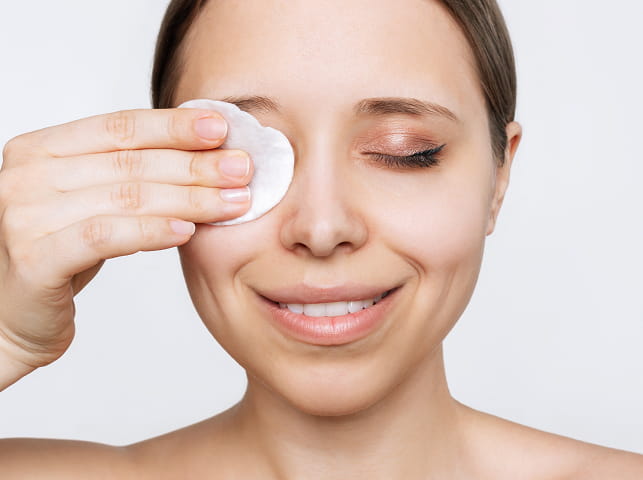
Warm compresses and heat masks can be useful for people with meibomian gland dysfunction.
Regular warmth can help improve the flow of oils from the meibomian glands, while appropriate eyelid hygiene can help keep the eyelid margins clean and support healthier gland function.
We can show you how to incorporate these routines into your daily life.
Omega-3 guidance
Nutrition can form part of a broader approach to dry eye management. Where appropriate, we can discuss omega-3 supplementation and whether it may be suitable for you.
Any supplement should be considered alongside your individual circumstances and existing medication or health requirements.
Lifestyle and environmental changes
Small changes to your everyday environment and visual habits can sometimes make a meaningful difference to dry eye symptoms.
We may discuss:
- Taking regular breaks during prolonged screen use
- Making sure your screen is positioned appropriately
- Staying hydrated
- Avoiding direct airflow from fans or air conditioning
- Managing particularly dry or heated environments
- Allowing yourself to blink regularly during concentrated tasks
- Taking care with contact lens wearing times
The recommendations we make will depend on what is contributing to your symptoms.
Dry eye and contact lenses
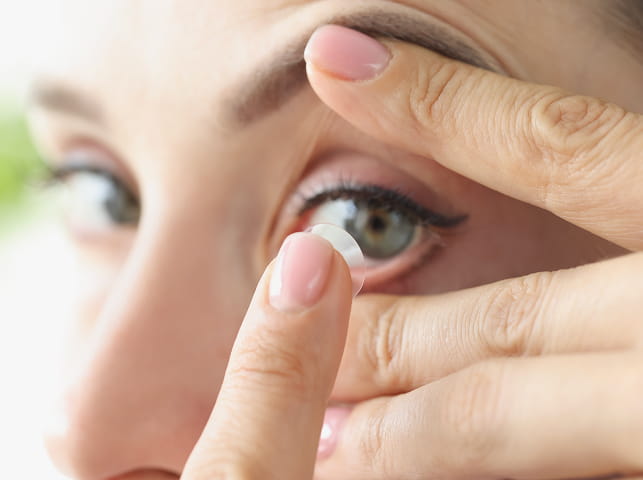
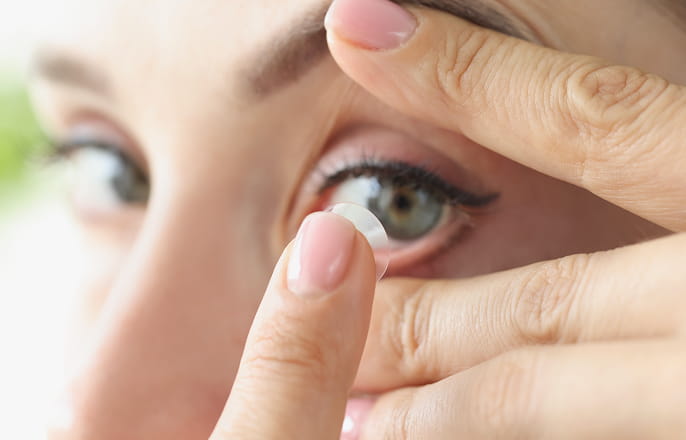
Dry eye symptoms can make contact lenses uncomfortable and may reduce the amount of time you can comfortably wear them.
However, having dry eyes does not necessarily mean you have to give up contact lenses.
We provide specialist contact lens fittings for people with dry eye, considering factors such as lens material, design, wearing schedule and your individual eye health.
If you already wear contact lenses and are experiencing increasing discomfort, we can assess the fit and your ocular surface and consider whether a different lens or wearing routine may be more appropriate.

Managing dry eye for the long term
Dry eye can be a chronic or recurring condition, so managing it effectively may involve more than a short course of treatment.
Your symptoms and eye health can change over time. We can review your response to treatment and adjust your management plan where necessary.
Our aim is to help you understand your dry eye and give you practical strategies that fit into your everyday life.
Why choose Whitehouse & Son Optical for dry eye care?
We believe effective dry eye management starts with understanding the individual.
Our approach combines:
- Detailed dry eye assessment
- Assessment of tear film and meibomian gland function
- Personalised treatment recommendations
- Advice on lubricating eye drops
- Heat mask and eyelid hygiene guidance
- Lifestyle and environmental advice
- Specialist contact lens fittings
- Ongoing monitoring where appropriate
Every recommendation is based on your symptoms, lifestyle and eye health rather than applying the same treatment to everyone.


Frequently Asked Questions
What are the symptoms of dry eye?
Common symptoms include burning, grittiness, watering, blurred or fluctuating vision, light sensitivity, tired eyes and general discomfort. Contact lens wear can also become less comfortable.
Why do my eyes water if I have dry eye?
Dry eye can sometimes trigger excessive watering. When the surface of the eye becomes irritated, your eyes may produce watery tears as a response. However, these tears may not provide the stable, healthy tear film needed to keep the eye comfortable.
What causes dry eyes?
There are several possible causes. Dry eye can occur when your eyes do not produce enough tears or when tears evaporate too quickly. Meibomian gland dysfunction, screen use, environmental factors, contact lenses and other aspects of your eye health can also contribute.
Can dry eyes be cured?
Dry eye is often a condition that needs ongoing management rather than a one-time cure. The appropriate approach depends on the underlying cause and severity of your symptoms. A personalised management plan can help improve comfort and manage symptoms over time.
What are the best eye drops for dry eyes?
There is no single eye drop that is best for everyone. Different products are suited to different types of dry eye. We can recommend an appropriate lubricant based on your symptoms and tear film, including preservative-free options where suitable.
Can I wear contact lenses if I have dry eyes?
Potentially. Dry eyes can make contact lenses less comfortable, but specialist lens options and personalised wearing schedules may improve comfort for some people. We can assess your eyes and recommend suitable options.
Does screen time cause dry eyes?
Prolonged screen use can contribute to dry eye symptoms because people tend to blink less frequently when concentrating on a screen. Regular breaks and consciously blinking more often can help reduce symptoms for some people.
Do warm eye masks help dry eyes?
Warm compresses or heat masks can be helpful where meibomian gland dysfunction is contributing to dry eye. Regular warmth may help improve the flow of oils from the glands and support a healthier tear film.
Should I take omega-3 for dry eyes?
Omega-3 supplementation may form part of a dry eye management plan for some people, but it is not appropriate for everyone. We can discuss nutritional support based on your individual circumstances.
Can dry eye affect my vision?
Yes. Dry eye can cause blurred or fluctuating vision, particularly when the tear film becomes unstable. If you experience persistent or sudden changes in vision, it is important to have your eyes assessed rather than assuming dry eye is the cause.
When should I see an optician about dry eyes?
If dry eye symptoms are persistent, recurring or affecting your daily activities, an assessment can help identify the likely cause and appropriate treatment. You should also seek prompt professional advice if you experience significant pain, marked redness, light sensitivity or a sudden change in vision.
Take control of your dry eye symptoms
You do not have to put up with persistent burning, grittiness, watering or uncomfortable contact lenses.
At Whitehouse & Son Optical, we provide personalised dry eye assessments and management plans based on your symptoms, lifestyle and individual eye health.
From specialist eye drops and eyelid care to lifestyle advice and contact lens solutions, we can help you find a practical approach to managing your symptoms.
Contact Whitehouse & Son Optical to arrange your eye examination.