
Myopia Management
Helping slow the progression of short-sightedness
Myopia, or short-sightedness, is increasingly common in children and young people. A child with myopia can usually see things clearly up close but may struggle to see objects in the distance.
For some children, myopia continues to progress as they grow. Managing it early can help slow the rate at which their prescription changes and may reduce the level of myopia they develop.
At Whitehouse & Son Optical, we provide personalised myopia management for children and teenagers. Our approach combines specialist myopia control options with lifestyle advice and regular monitoring.
We offer MiSight contact lenses and Stellest spectacle lenses, alongside practical advice to support healthy visual habits.
If your child’s prescription is changing, contact Whitehouse & Son Optical to discuss myopia management.
Have an Enquiry?
Please complete the form below and a member of our team will be in touch.
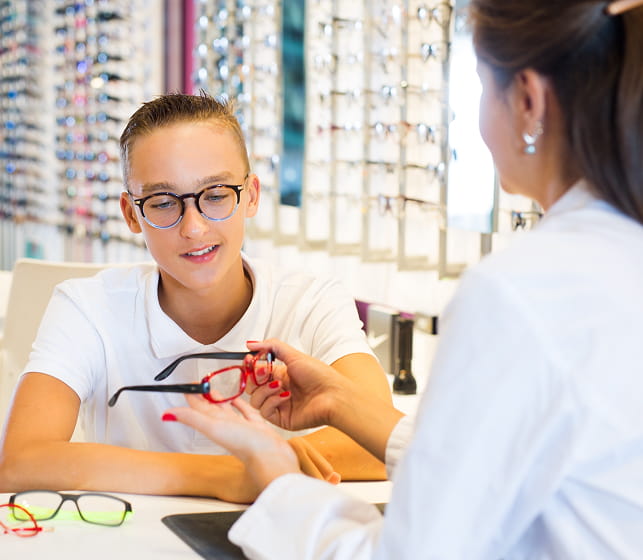
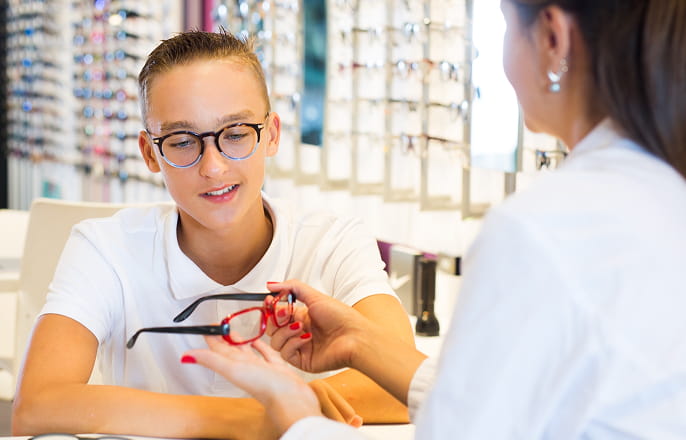
What is myopia management?
Myopia management is an approach to helping slow the progression of short-sightedness in children and young people.
Standard glasses and contact lenses correct myopia so that your child can see clearly, but they do not specifically aim to slow the progression of the condition.
Myopia management uses specialist optical solutions and lifestyle strategies designed to help reduce the rate at which myopia progresses.
The earlier progressive myopia is identified, the sooner you can discuss appropriate management options with an eye care professional.
Why does managing myopia matter?
Myopia is more than simply needing stronger glasses as your child grows.
Higher levels of myopia are associated with an increased lifetime risk of certain eye conditions affecting structures such as the retina and macula. Slowing myopia progression can therefore be an important part of protecting your child’s long-term eye health.
For parents, we explain myopia management in practical terms:
- Slower prescription progression: Your child’s prescription may not increase as quickly, potentially meaning fewer and smaller prescription changes.
- Long-term eye health: Reducing the amount of myopia your child develops may help reduce the risks associated with higher levels of myopia later in life.
- Comfortable vision during childhood: Clear, comfortable vision is particularly important during school years, when children spend significant amounts of time reading and working at close distances.
- Greater freedom later in life: A lower level of myopia can mean greater choice and convenience with glasses, contact lenses and other forms of vision correction as your child gets older.
Myopia management cannot guarantee that a child’s prescription will stop changing completely. The aim is to slow progression and manage myopia over time.


Our myopia management options
Every child is different, so we consider their age, prescription, rate of progression, lifestyle and individual needs before recommending an approach.
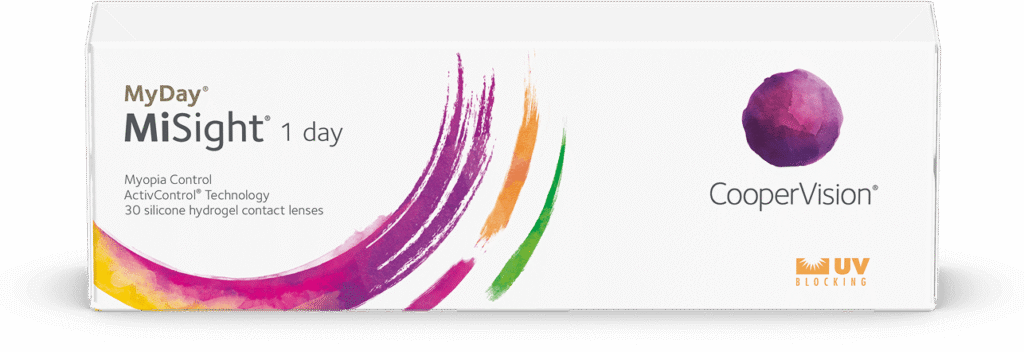
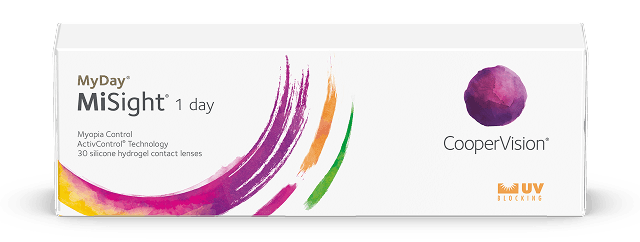
MiSight contact lenses
MiSight contact lenses are specialist daily disposable contact lenses designed for children with myopia.
They provide clear vision while incorporating a design intended to help slow the progression of short-sightedness.
Daily disposable lenses can also be convenient for children and families because a fresh pair is used each day, with no need for overnight storage.
We assess whether contact lenses are suitable for your child and provide one-to-one training on safe insertion, removal and lens care.
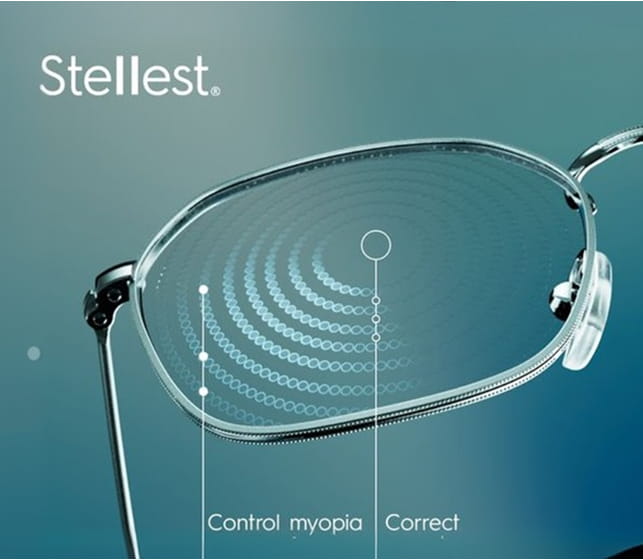
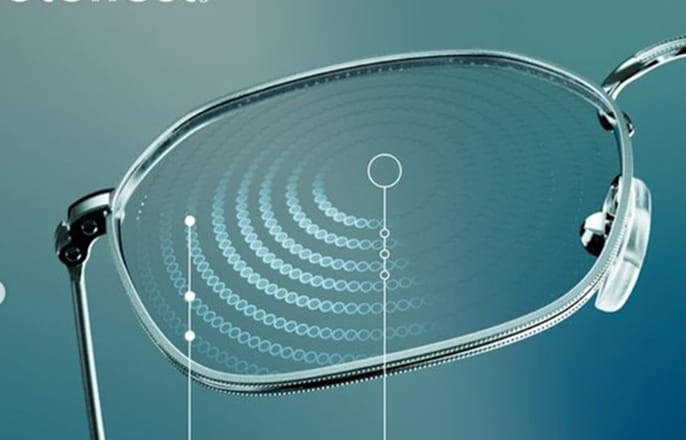
Stellest spectacle lenses
Stellest spectacle lenses are specialist lenses designed for children with myopia.
They provide vision correction while incorporating lens technology intended to help slow the progression of myopia.
For children who are not ready for contact lenses, or who prefer to wear glasses, Stellest lenses can provide a spectacle-based option for myopia management.
We will assess your child’s prescription and visual needs before recommending whether this approach is appropriate.
Lifestyle advice for myopia management
Specialist lenses are only one part of managing myopia.
We also provide practical lifestyle advice that can support your child’s long-term eye health. This can include encouraging children to spend more time outdoors and developing healthy habits around prolonged close-up activities such as reading and screen use.
Simple changes can make a difference to how children use their eyes throughout the day.
We will discuss lifestyle recommendations with you as part of your child’s personalised management plan rather than offering a one-size-fits-all approach.


What age should myopia management start?
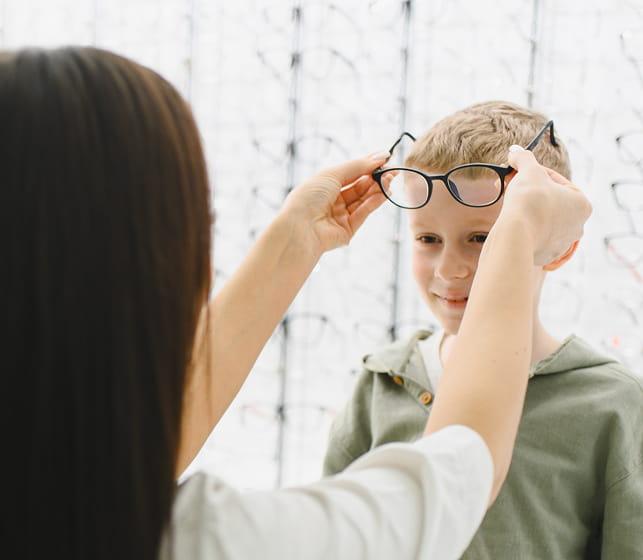
Many children begin myopia management between 6 and 12 years old, when myopia commonly develops or starts to progress.
However, there is no single ideal age for every child. Younger children and teenagers can also benefit from assessment and management, particularly if their prescription is changing quickly.
If your child’s prescription has increased noticeably between eye examinations, it is worth discussing myopia management with your optician.
Monitoring your child's myopia
Myopia management is an ongoing process rather than a one-off treatment.
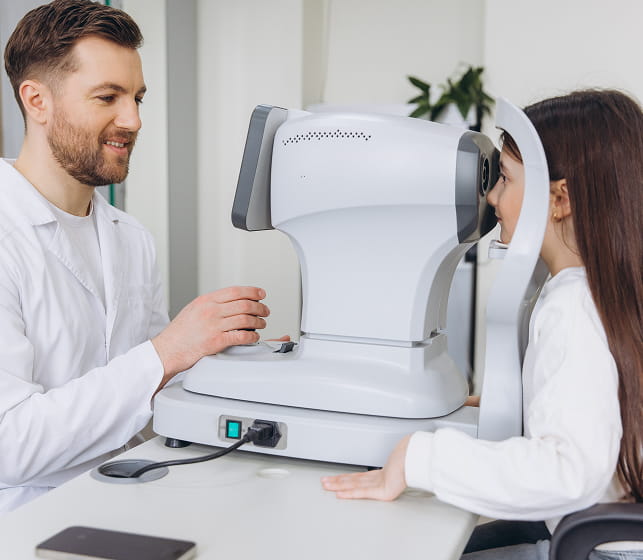
Regular eye examinations allow us to monitor your child’s prescription and eye health and assess how their myopia is changing over time.
We can review:
- Changes in your child’s prescription
- Their visual needs and lifestyle
- How well their chosen myopia management option is working
- Contact lens or spectacle comfort
- General eye health
- Whether their management plan should be adjusted
Keeping track of changes allows us to make informed decisions as your child grows.
What happens at a myopia management appointment?
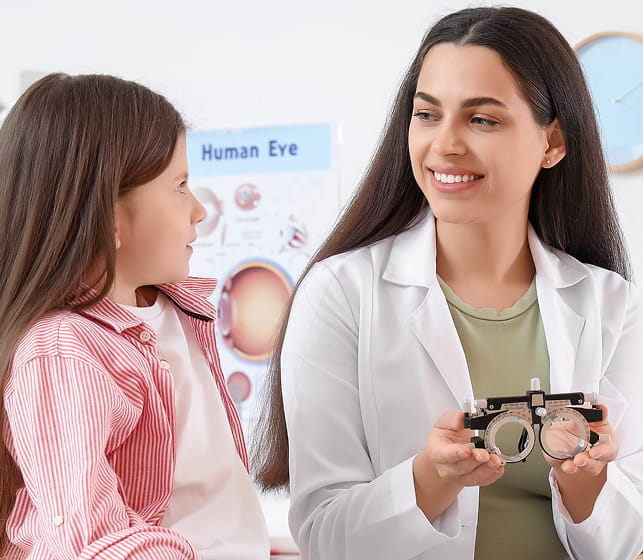
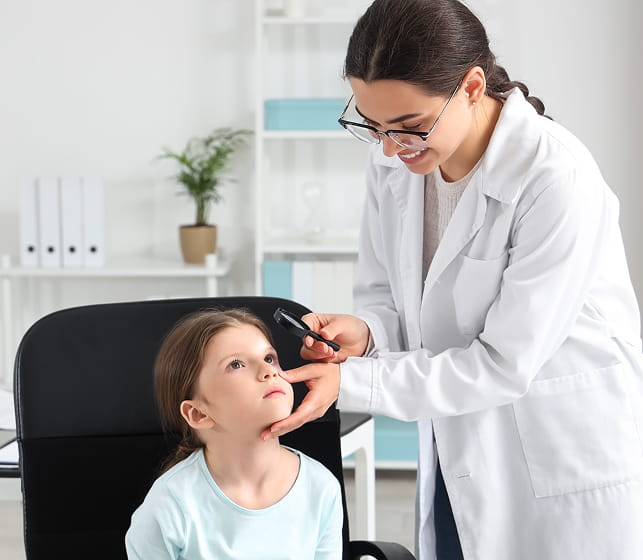
We start by assessing your child’s current vision and understanding their history.
We will discuss how their prescription has changed, their lifestyle, visual habits and any relevant family history.
We then explain the available myopia management options, including MiSight contact lenses and Stellest spectacle lenses, where appropriate.
If your child is suitable for myopia management, we will recommend an individual plan and explain what you can expect from ongoing monitoring.
For contact lens wearers, we also provide training and clear guidance on safe lens use and hygiene.
Myopia management for teenagers
Although myopia management often begins during primary school years, teenagers can also benefit from assessment.
Some teenagers continue to experience significant prescription changes through their secondary school years. Increased study, reading and screen use can also make good visual habits particularly important.
If your teenager’s prescription is changing, we can assess their eyes and discuss whether continuing or starting myopia management could be appropriate.
Frequently Asked Questions
What is myopia?
Myopia, commonly called short-sightedness, is a condition where distant objects appear blurred while close objects can usually be seen more clearly. It commonly develops during childhood and can progress as a child grows.
What is myopia management?
Myopia management aims to slow the progression of short-sightedness in children and young people. It can involve specialist spectacle or contact lenses alongside lifestyle advice and regular monitoring.
When should myopia management start?
Many children begin myopia management between 6 and 12 years old, but younger children and teenagers can also benefit. If your child’s prescription is changing quickly, we recommend discussing their options with an optician.
Can myopia be stopped from getting worse?
Myopia management is designed to slow progression, but it cannot guarantee that a prescription will stop changing completely. Regular monitoring helps us assess how your child’s myopia is progressing and whether their management plan remains appropriate.
What are MiSight contact lenses?
What are Stellest lenses?
Are contact lenses suitable for children?
Some children can wear contact lenses safely and successfully. Suitability depends on factors such as age, maturity, prescription and the child’s ability to follow safe lens handling and hygiene routines.
We provide one-to-one training and ongoing support for children who wear contact lenses.
Is myopia management only about wearing specialist lenses?
No. Lifestyle advice and regular monitoring are also important parts of managing myopia. We can discuss practical strategies around outdoor time, close-up activities and screen use alongside specialist optical options.
Why is controlling myopia important for long-term eye health?
Higher levels of myopia are associated with an increased risk of certain eye conditions later in life, including problems affecting the retina and macula. Slowing myopia progression may help reduce the level of myopia a child develops and therefore their long-term risk.
How often will my child need to be monitored?
The appropriate monitoring schedule depends on your child’s age, prescription, rate of progression and individual circumstances. Your optician will recommend how frequently your child should attend.
Can my child still wear normal glasses with myopia management?
Yes, but standard glasses correct the existing prescription rather than specifically aiming to slow myopia progression. If myopia management is appropriate, we can discuss specialist spectacle lenses such as Stellest alongside other options.
Start managing your child's myopia
If your child’s prescription is changing, it is worth looking beyond simply replacing their glasses with a stronger prescription.
At Whitehouse & Son Optical, we provide personalised myopia management using specialist options such as MiSight contact lenses and Stellest spectacle lenses, supported by lifestyle advice and regular monitoring.
Our aim is to help slow the progression of your child’s myopia while supporting clear, comfortable vision throughout their childhood.
Contact Whitehouse & Son Optical to arrange a myopia management assessment.